Pengambilan Utama
- Apa itu Fibermaxxing? : Trend media sosial memberi tumpuan kepada peningkatan pengambilan serat harian dengan ketara untuk memaksimumkan manfaat kesihatan seperti pencernaan yang lebih baik, kesihatan usus, dan rasa kenyang.
- Adakah Ia Perlu? : Kebanyakan orang (lebih dari 90%) tidak mendapat serat yang mencukupi, jadi peningkatan pengambilan adalah bermanfaat, tetapi pendekatan “maxxing” memerlukan berhati-hati.
- Faedah Utama: Diet serat tinggi menyokong kesihatan usus (memberi makan bakteria yang baik), menggalakkan keteraturan, membantu pengurusan berat badan, membantu mengimbangi gula darah, dan menyokong kesihatan jantung.
- Cara Melakukannya Dengan Selamat: Meningkatkan pengambilan serat secara beransur-ansur, minum banyak air, dan dapatkan serat dari pelbagai sumber (baik larut dan tidak larut) seperti buah-buahan, sayur-sayuran, kekacang, bijirin penuh, kacang, dan biji.
Dari Trend Kepada Strategi Pemakanan
Media sosial dan blog dalam talian mempunyai banyak yang boleh dikatakan mengenai fibermaxxing, tetapi apa itu fibermaxxing? Ringkasnya, fibermaxxing adalah amalan memakan sejumlah besar serat secara beransur-ansur untuk memaksimumkan manfaat kesihatan yang diberikan kepada pelbagai aspek kesejahteraan keseluruhan.
Jadi dari mana idea ini untuk memaksimumkan pengambilan serat berasal? Tidak ada konsensus sebenar mengenai siapa yang memulakan trend itu, tetapi ia mula berlaku sekitar musim panas tahun 2025 dan dengan cepat mendapat banyak perhatian di pelbagai platform. Tetapi fibermaxxing lebih daripada sekadar trend berlalu — ia adalah strategi pemakanan yang disokong oleh sains dan patut dipertimbangkan sebagai sebahagian daripada rejimen kesihatan harian anda.
Berapa Banyak “Maxxing” Terlalu Banyak?
Kebenaran yang malang adalah bahawa “terlalu banyak” biasanya bukan masalah ketika datang ke pengambilan serat. Malah, lebih daripada 90% wanita dan 97% lelaki yang menakjubkan tidak mendapat pengambilan serat makanan yang disyorkan setiap hari. Itu tidak seharusnya mengejutkan, memandangkan kira-kira 85% orang dewasa juga kurang memakan buah-buahan, sayur-sayuran, dan bijirin penuh dalam diet harian mereka.1
Diet serat tinggi telah lama dikaitkan dengan pelbagai manfaat kesihatan, dari pencernaan dan kesejahteraan imun hingga manfaat kognitif dan juga sokongan untuk penuaan yang sihat dan pengurusan berat badan. Sama sekali, boleh ada perkara seperti memakan terlalu banyak serat, terutama sekali gus.
Ketika datang ke fibermaxxing, matlamatnya adalah manfaat serat makanan yang berasal dari penggunaan yang sihat. Apabila seseorang mengambil serat yang berlebihan secara tiba-tiba, mereka mungkin mengalami kesan sampingan yang tidak menyenangkan, termasuk ketidakselesaan pencernaan, sembelit, dan kebimbangan lain.2
Ini dapat dielakkan dengan mengambilnya perlahan dan mudah pada mulanya dan berusaha ke pengambilan yang lebih tinggi dari masa ke masa.
Mengapa Serat Penting Untuk Kesihatan
Serat adalah sumber pemakanan yang menawarkan pelbagai manfaat, beberapa di antaranya bergantung pada jenis serat yang anda makan (larut berbanding tidak larut).
Larut vs. Serat Tidak Larut: Apa Yang Mereka Lakukan
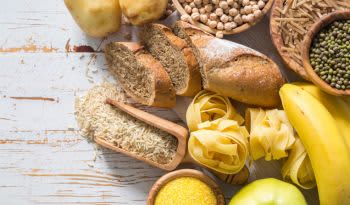
Serat boleh didapati dalam dua bentuk: larut dan tidak larut, kedua-duanya penting untuk kesihatan. Perbezaannya berkaitan dengan bagaimana setiap jenis berinteraksi dengan air. Serat larut berubah menjadi bahan seperti gel apabila dibubarkan di dalam air. Ini membolehkannya melambatkan pencernaan dan oleh itu menyokong keteraturan dan aspek kesihatan lain, seperti pengeluaran asid lemak rantai pendek (SCFA) di usus besar. Contohnya termasuk buah-buahan dan sayur-sayuran tertentu, bersama dengan oat dan kacang, dan suplemen sekam psyllium.
Sebaliknya, serat tidak larut tidak larut dalam air, menyebabkannya menjadi “pukal”. Ini mempercepat pencernaan dan menyokong keteraturan, walaupun dengan cara yang berbeza daripada serat larut. Contohnya termasuk bijirin penuh, kacang, biji chia, dan sayur-sayuran tertentu seperti kembang kol.
Faedah Serat: Usus, Berat, Gula Darah
Serat larut adalah pilihan yang baik untuk kesihatan usus kerana ia menyokong integriti usus dan bertindak sebagai prebiotik untuk menggalakkan percambahan bakteria bermanfaat (makanan untuk probiotik). Serat larut juga menyumbang kepada kesihatan jantung dengan menyokong tahap kolesterol normal dan mengurangkan keupayaan tubuh untuk menyerap lemak tidak sihat semasa pencernaan.3 Ia menggalakkan tahap glukosa yang sihat dengan membantu melambatkan penyerapan gula3 dan membantu pengurusan berat badan dengan menyokong perasaan kenyang atau kenyang.
Serat tidak larut juga menggalakkan kesihatan usus dengan mempromosikan penghapusan yang betul, menyokong kesejahteraan kolorektal,2 dan dengan berfungsi sebagai sumber pemakanan prebiotik untuk meningkatkan keseimbangan dan daya hidup mikrobioma usus.
Cara Fibermaxx dengan selamat
Jika anda sedang mempertimbangkan untuk menambah rutin fibermaxx ke rejimen kesihatan harian anda, berikut adalah beberapa langkah untuk memastikan manfaat maksimum dan kelestarian.
Langkah 1: Meningkatkan secara beransur-ansur
Rahsia untuk menikmati faedah fibermaxxing adalah mengetahui cara meningkatkan serat pada kadar yang sihat. Terlalu banyak terlalu cepat boleh menyebabkan ketidakselesaan dan masalah pencernaan lain. Bagi lelaki di bawah 50 tahun, 38 g serat disyorkan setiap hari.3 Bagi wanita di bawah 50 tahun, ia adalah 25 g serat setiap hari.3 Pertimbangkan nombor tersebut sebagai penanda aras atau matlamat umum. Menilai pengambilan serat harian anda semasa dan bekerja dari sana. Seperti biasa, berunding dengan doktor sebelum memulakan rejimen kesihatan baru.
Langkah 2: Hidrat Dengan Betul
Kepentingan penghidratan yang mencukupi, terutamanya apabila fibermaxxing, tidak boleh diketinggalan. Sama ada larut atau tidak larut, penghidratan yang tidak mencukupi digabungkan dengan serat tinggi adalah resipi untuk ketidakselesaan pencernaan dan mungkin banyak lagi. Tetapi penghidratan bukan hanya untuk mengelakkan kesan sampingan serat; ia juga berfungsi untuk meningkatkan manfaat diet serat tinggi.2
Langkah 3: Mempelbagaikan Sumber Serat Anda
Perkara penting yang perlu diingat adalah untuk menyediakan tubuh anda dengan kualiti berbanding kuantiti. Pelbagai pilihan makanan keseluruhan dalam diet seimbang, disertai dengan sumber tambahan, mengalahkan satu dos besar serat berkualiti rendah setiap hari.
Peranan Suplemen Serat Dan Makanan Seluruh
Meningkatkan pengambilan serat harian anda boleh dibantu oleh suplemen serat berkualiti, tetapi penting untuk diingat bahawa suplemen bertujuan untuk menambah diet anda, bukan menggantikannya. Cuba menyebarkan pelbagai makanan serat tinggi sepanjang hari anda untuk memberi tubuh anda aliran pemakanan dan sokongan yang stabil.
Cuba tingkatkan penggunaan harian makanan keseluruhan seperti buah beri, buah-buahan, kacang, dan sayur-sayuran. Ini akan menyediakan tubuh anda dengan sumber semula jadi serat larut dan tidak larut. Suplemen serat boleh ditambah bersama pilihan makanan ini untuk meningkatkan sokongan pemakanan yang diterima oleh tubuh anda setiap hari.
Kesalahan Fibermaxxing Biasa+Cara Mengelakkannya
Fibermaxxing pastinya mempunyai peranan dalam kesejahteraan keseluruhan anda, tetapi ada beberapa perkara yang perlu diingat untuk membantu memastikan anda menikmati semua faedah.
Terlalu Banyak Terlalu Cepat → Gas & Kembung
Meringankan jalan ke dalam rejimen diet serat tinggi adalah cara terbaik, kerana memperkenalkan terlalu banyak serat terlalu cepat boleh menyebabkan beberapa kesan sampingan yang tidak selesa, seperti gas, kembung, atau masalah pencernaan lain.
Gangguan Nutrien
Sesetengah orang mungkin mengalami kesan sampingan serat yang dikenali sebagai gangguan nutrien jika mereka mengambil terlalu banyak serat. Dalam senario sedemikian, jumlah serat yang tinggi dalam diet mereka dapat mengikat mineral penting tertentu, termasuk kalsium atau magnesium, dan menghalangnya daripada diserap oleh tubuh dengan berkesan.4 Ini dapat dielakkan dengan memberi tumpuan kepada makanan serat tinggi, seperti kacang atau buah-buahan, yang sering juga tinggi mineral utama.
Contoh Hari Serat Tinggi
Menambah serat pada diet harian anda bukan sahaja mudah - ia juga lazat! Terdapat banyak resipi serat tinggi yang tersedia untuk membantu anda memastikan anda mendapat cukup. Kuncinya adalah menyebarkannya sepanjang hari anda untuk membantu memastikan rutin anda segar dan mampan.
Sarapan pagi, makan tengah hari, makan malam + makanan ringan dengan jumlah serat
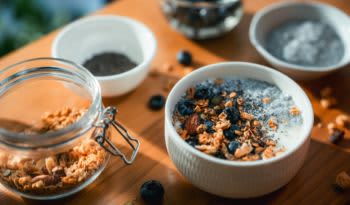
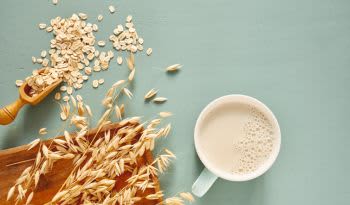
Sebagai contoh, hari berserat boleh bermula dengan beberapa bijirin serpihan dedak (5.5 g serat setiap 3⁄4 cawan) atau semangkuk oatmeal (4 g setiap cawan) yang dihiasi dengan blueberry (3.6 g setiap cawan) atau strawberi (3 g setiap cawan).5 Taburkan pada beberapa biji chia (4.1 g per sudu besar) untuk peningkatan serat tambahan. Bercakap tentang cara pengisian dan kaya serat untuk memulakan hari!
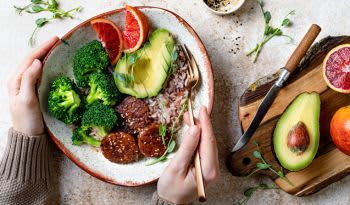
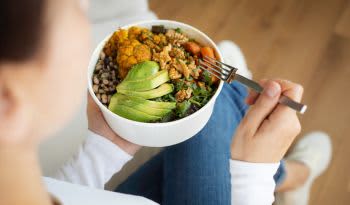
Pada waktu makan tengah hari, nikmati salad besar dengan sayur-sayuran campuran bersama sumber protein dan beberapa kacang hitam (7.5 g serat setiap 1⁄2 cawan) atau mungkin beberapa kacang buncis (6.3 g setiap 1⁄2 cawan). Alpukat (6 g setiap 1⁄2 cawan) juga memberikan bahagian yang beraroma.5
Sekiranya anda memerlukan makanan ringan pada waktu petang, epal (4.8 g serat setiap epal sederhana dengan kulit) atau pisang (3.2 g) dengan segelintir kacang atau mentega kacang adalah pilihan yang bagus, dan popcorn (5.8 g serat setiap tiga cawan) sentiasa menyeronokkan. Malah beberapa keropok gandum penuh memberikan 2.8 g serat per ons.5
Selesaikan hari pada waktu makan malam, masukkan bijirin seperti quinoa bersama beberapa kacang hijau (4 g serat setiap cawan) atau tambahkan sedikit bawang (2.9 g setiap cawan) untuk hidangan lazat. Lada loceng merah (3.1 g setiap cawan) juga boleh menambah sedikit warna pada meja makan anda, manakala kentang panggang sederhana dengan kulit (3.9 g) atau ubi jalar (6.3 g) sentiasa popular.5
Walau bagaimanapun anda memilih untuk memasukkan lebih banyak serat ke dalam diet anda, ingatlah untuk menjadikannya sederhana, menyeronokkan, dan bersikap mudah apabila badan anda menyesuaikan diri.
Kesimpulan + Fibermaxxing yang lebih pintar
Fibermaxxing bukan sahaja disokong oleh penyelidikan saintifik, ia juga merupakan cara terbaik untuk menyokong kesihatan dan kesejahteraan keseluruhan anda. Dengan mengambil pendekatan yang seimbang dan mengelakkan ekstrem, anda boleh menyokong kesihatan anda bermula hari ini dan selama bertahun-tahun akan datang!
*Kenyataan ini belum dinilai oleh Pentadbiran Makanan dan Dadah. Produk ini tidak bertujuan untuk mendiagnosis, merawat, menyembuhkan, atau mencegah sebarang penyakit.
Rujukan:
- Garis Panduan Pemakanan untuk Amerika. 2020-2025. USDA. Lihat sumber
- Serat Pemakanan: Penting untuk Diet Sihat. Disember 2024. Klinik Mayo. Diakses Oktober 2025. Baca sumber
- Apakah Perbezaan Antara Serat Larut dan Tidak Larut? Februari 2021. Klinik Cleveland. Diakses Oktober 2025. Baca sumber
- Shah, M., et al. (2009). Penjagaan Diabetes, 32 (6), 990—995. Baca sumber
- Sumber Makanan Serat Makanan. Garis Panduan Pemakanan Semasa. Diakses Oktober 2025. Lihat sumber
PENAFIAN:
Kenyataan ini belum dinilai oleh Pentadbiran Makanan dan Ubatan Amerika Syarikat. Produk ini tidak bertujuan untuk mendiagnosis, merawat, memulihkan atau mencegah sebarang penyakit.























































 Kandungan