Jerawat nampaknya muncul semalaman - tetapi, pada hakikatnya, setiap pecah mempunyai kitaran hayatnya sendiri. Memahami tahap jerawat dapat membantu anda merawatnya dengan lebih berkesan (dan mencegahnya meninggalkan bekas luka atau bintik gelap). Dari keradangan awal hingga penjagaan selepas penyembuhan, masa penggunaan produk penjagaan kulit jerawat dengan betul boleh membuat semua perbezaan.
Jika anda pernah tertanya-tanya bagaimana jerawat terbentuk atau bahan mana yang harus dicapai pada setiap fasa, panduan ini memecah semuanya.
Pengambilan Utama
- Jerawat berkembang melalui tiga peringkat utamanya - awal, pertengahan dan akhir - dan mengenali setiap fasa membantu anda memilih rawatan yang paling berkesan untuk meminimumkan keradangan dan mencegah parut.
- Tahap Awal (Pori Tersumbat): Pada tanda pertama benjolan atau bintik hitam, fokus pada pengelupasan menggunakan asid salisilik atau niacinamide untuk melepaskan liang-liang dengan lembut dan mengurangkan keradangan awal tanpa memerah.
- Peringkat Tengah (Keradangan Aktif): Apabila jerawat menjadi merah dan menyakitkan (papule/pustula), sasarkan bakteria dan keradangan dengan rawatan bintik seperti benzoyl peroksida atau sulfur, sambil menjaga kulit terhidrat dengan pelembap bukan komedogenik.
- Tahap Akhir (Penyembuhan): Apabila keradangan mereda, beralih kepada bahan yang menenangkan dan memperbaiki seperti centella asiatica (cica) dan gunakan SPF untuk mencegah bintik-bintik gelap (hiperpigmentasi) semasa kulit membina semula.
- Pencegahan + Penyelenggaraan: Penjagaan yang konsisten, termasuk mengelakkan menyentuh wajah anda, mengekalkan diet yang sihat, dan menggunakan produk lembut, sangat penting untuk mencegah pecah masa depan dan menyokong kejelasan kulit jangka panjang.
Apa yang Menyebabkan Jerawat Anda?
Sebelum menyelam ke dalam kitaran hidup jerawat, penting untuk memahami mengapa pecahan berlaku pada mulanya. Jerawat berlaku apabila liang-liang menjadi tersumbat dengan minyak, sel kulit mati, atau bakteria. Tetapi beberapa faktor boleh membuat anda lebih terdedah kepada kerosakan.
Genetik
Susunan genetik anda memainkan peranan besar dalam pengeluaran minyak kulit anda dan seberapa cepat sel berubah. Sekiranya jerawat berlaku dalam keluarga anda, anda mungkin menyedari bahawa anda lebih terdedah kepada liang-liang dan keradangan yang tersumbat. Walaupun anda tidak dapat mengubah DNA anda, anda boleh mengawal rutin penjagaan kulit dan persekitaran anda.
Hormon
Turun naik hormon - terutamanya peningkatan androgen - merangsang kelenjar sebum (minyak), yang menyebabkan liang-liang dan jerawat tersumbat. Inilah sebabnya mengapa ramai orang mengalami kerosakan semasa akil baligh, kitaran haid, kehamilan, atau tempoh tekanan.
Untuk mengimbangi rutin penjagaan kulit anda secara semula jadi, pertimbangkan untuk menggabungkan pilihan berasaskan tumbuhan yang menenangkan seperti teh spearmint. Penyelidikan terhad menunjukkan teh spearmint boleh membantu menurunkan androgen dalam badan dan memperbaiki jerawat yang berkaitan dengan keadaan hormon seperti sindrom ovarium polikistik (PCOS).1
Penjagaan Kulit Yang Tidak Betul
Menggunakan produk yang terlalu keras atau tidak sesuai dengan jenis kulit anda boleh mengganggu penghalang kulit dan menyebabkan pengeluaran minyak yang berlebihan. Pembersihan berlebihan, melangkau pelembap, atau menggunakan solek komedogenik adalah penyebab biasa.
Tahap Jerawat
Jerawat tidak hanya muncul dari mana - ia berkembang melalui beberapa peringkat utama. Mengiktiraf setiap fasa dapat membantu anda memilih rawatan yang betul dan mencegahnya bertambah buruk. Mari kita pecahkan peringkat jerawat, dari tanda-tanda awal hingga proses penyembuhan akhir.
Peringkat 1: Awal
Jerawat peringkat awal bermula jauh di dalam kulit apabila folikel rambut atau liang menjadi tersumbat dengan minyak dan sel kulit mati. Pada ketika ini, anda mungkin merasakan benjolan kecil atau melihat bintik hitam kecil atau kepala putih terbentuk.
Apa Yang Berlaku
Setelah tersumbat, minyak dan kulit mati terkumpul di dalam liang, dan bakteria (seperti Cutibacterium acnes) mula membiak. Tubuh bertindak balas dengan keradangan ringan, yang membawa kepada kelembutan dan/atau kemerahan.
Cara Merawatnya
Menangkap jerawat lebih awal adalah kunci untuk menghalangnya daripada menjadi menyakitkan atau meradang. Pada ketika ini, fokus pada pengelupasan dan perlahan-lahan melepaskan liang-liang.
Produk Terbaik untuk Digunakan
- Pembersih atau toner asid salisilik: asid salisilik membantu melarutkan minyak dan pembentukan kulit mati
- Serum niacinamide: niacinamide mengurangkan keradangan dan membantu mengimbangi minyak
- Tompok hidrokoloid: bagus untuk kepala putih, tompok jerawat hidrokoloid menyerap cecair dan melindungi kawasan semalaman
Petua Pro: Tahan keinginan untuk memilih atau memerah kepala putih. Sebaliknya, gunakan patch untuk mengurangkan bengkak dan mempercepat penyembuhan.
Peringkat 2: Tengah
Setelah liang menjadi lebih meradang, anda telah memasuki peringkat tengah, ketika jerawat kelihatan dan kadang-kadang menyakitkan.
Apa Yang Berlaku
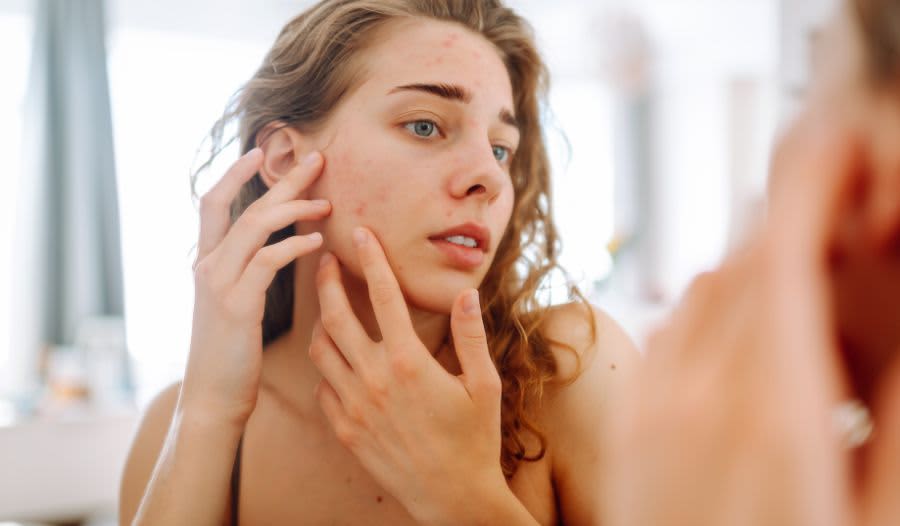
Sistem imun bertindak balas terhadap bakteria dan minyak yang terperangkap, menyebabkan kemerahan, bengkak, dan pembentukan nanah. Jerawat pada peringkat ini boleh mengambil beberapa bentuk:
- Papules: benjolan merah kecil tanpa nanah
- Pustula: jerawat berhujung putih atau kuning yang dipenuhi nanah
- Nodul: benjolan yang lebih besar, tegas, dan menyakitkan di bawah kulit
- Kista: jerawat yang mendalam dan meradang yang boleh menyebabkan parut
Bagaimana untuk merawatnya
Pada ketika ini, tumpuan anda harus mengurangkan bakteria dan menenangkan keradangan tanpa mengeringkan kulit anda secara berlebihan.
Produk Terbaik untuk Digunakan
- Rawatan benzoyl peroksida: benzoyl peroksida membantu membunuh bakteria penyebab jerawat dan mengurangkan keradangan
- Rawatan sulfur: produk yang mengandungi sulfur perlahan-lahan mengeringkan minyak berlebihan, mengurangkan bakteria, dan menenangkan kulit yang meradang tanpa melepaskan terlalu banyak
- Pelembap bukan komedogenik: pastikan kulit terhidrat semasa anda merawat kerosakan aktif
Petua Pro: Rawatan spot adalah kawan terbaik anda di sini. Sapukan hanya di kawasan yang terjejas, dan ikuti dengan pelembap yang lembut dan bebas wangian untuk mengelakkan kerengsaan.
Peringkat 3: Akhir
Pada fasa akhir kitaran hidup jerawat, keradangan mula mereda. Benjolan itu rata, tetapi anda mungkin ditinggalkan dengan hiperpigmentasi pasca radang (bintik-bintik gelap) atau kawasan kering dan mengelupas ketika kulit membaiki dirinya sendiri.
Apa Yang Berlaku
Tindak balas sistem imun berkurang, dan kulit anda mula sembuh dan membina semula kolagen. Pigmen sisa boleh berlarutan selama beberapa minggu.
Bagaimana untuk merawatnya
Tahap ini adalah mengenai penyembuhan dan mencegah tanda atau parut. Fokus pada bahan yang menenangkan dan membaiki.
Produk Terbaik untuk Digunakan
- Centella asiatica, atau cica, balm: membantu menenangkan kemerahan dan memperbaiki kulit2
- Pengelupasan lembut (PHA atau asid laktik): membantu memudarkan bintik-bintik gelap tanpa kerengsaan
- SPF 30 atau lebih tinggi: pelindung matahari muka menghalang pigmentasi daripada menjadi gelap sementara kulit sembuh
Petua Pro: Jangan tergesa-gesa untuk mengelupas sebaik sahaja jerawat sembuh. Beri kulit anda masa untuk pulih sebelum memperkenalkan semula bahan aktif yang lebih kuat.
Cara Membantu Sembuh Jerawat
Setelah pemecahan selesai, penjagaan selepas jerawat sama pentingnya. Strategi mudah ini dapat mempercepat pemulihan dan mencegah wabak masa depan:
- Jauhkan tangan anda dari wajah anda: memetik atau memetik boleh memperkenalkan bakteria dan menyebabkan parut
- Hidrat dan lindungi: gunakan pelembap bebas wangian dan SPF harian untuk menyokong penyembuhan
- Menyokong kulit dari dalam: Diet kaya nutrien dengan zink, omega-3, dan antioksidan boleh menggalakkan kulit yang lebih jelas dan membantu melawan jerawat secara semula jadi sebelum ia bermula3
- Pertimbangkan suplemen: vitamin, mineral, dan suplemen tertentu, seperti zink, probiotik, dan vitamin D, boleh meningkatkan kejelasan kulit dari masa ke masa4
- Jadilah konsisten: Walaupun kulit anda kelihatan jernih, terus menggunakan produk penjagaan kulit yang lembut dan pencegahan
Kesimpulan
Memahami kitaran hayat jerawat membantu anda menggunakan produk yang tepat pada masa yang tepat - supaya anda boleh menghentikan pecah dengan lebih cepat, meminimumkan kerengsaan, dan mencegah parut. Ingat, pada peringkat awal, fokus pada membuka liang-liang dan menenangkan kulit. Di peringkat pertengahan, apabila jerawat kelihatan dan menyakitkan, merawat keradangan dan bakteria tanpa mengeringkan kulit secara berlebihan. Setelah jerawat mula sembuh pada peringkat akhir, fokus pada memperbaiki dan melindungi kulit sambil mencegah hiperpigmentasi.
Untuk keperluan penjagaan jerawat yang diluluskan oleh ahli dermatologi, lawati rawatan jerawat dan cacat iHerb untuk mencari penyelesaian yang disasarkan yang sesuai dengan keperluan kulit anda pada setiap langkah kitaran hidup jerawat.
Rujukan:
- Grant P, Ramasamy S. Kemas Kini Anti-Androgen Berasal dari Tumbuhan. Int J Endocrinol Metab 2012; 10 (2): 497.
- Taman KS. Kesan Farmakologi Centella asiatica pada Penyakit Kulit: Bukti dan Mekanisme Kemungkinan. Pelengkap Berasaskan Evid Alternat Med. 2021; 2021.
- Baldwin H, Tan J. Kesan Diet pada Jerawat dan Tindapannya terhadap Rawatan. Am J Clin Dermatol. 2021; 22 (1): 55-65.
- Shields A, Ly S, Wafae B, et al. Keselamatan dan Keberkesanan Nutraceutikal Oral untuk Merawat Jerawat: Kajian Sistematik. Dermatol JAMA 2023; 159 (12): 1373-1382.
PENAFIAN:
Kenyataan ini belum dinilai oleh Pentadbiran Makanan dan Ubatan Amerika Syarikat. Produk ini tidak bertujuan untuk mendiagnosis, merawat, memulihkan atau mencegah sebarang penyakit.

























































 Kandungan